
01 / 05
التحدي
بنت Sukhraj Constructions سمعة قوية في البنجاب وشمال الهند عبر أكثر من عقدين من المشاريع المدنية وأعمال البناء والمشاريع الصناعية، لكن حضورها الرقمي لم يواكب ذلك. كان الموقع قالبًا ثابتًا من عام 2015، على استضافة مشتركة تتعطل مع أي ضغط، ولا يقدّم سوى طريق واحد للتواصل: نموذج اتصال لا يثق به أحد.
كان طلب المؤسس بسيطًا للغاية: «أريد استفسارات من عملاء جادين، لا رسائل مزعجة». وخلف هذه الجملة ثلاث مشكلات حقيقية. أولًا، لم يكن الموقع يظهر في البحث؛ فلم تكن أي كلمة يبحث عنها مسؤول المشتريات ضمن أول 50 نتيجة. ثانيًا، كان الزوار يغادرون خلال تسع ثوانٍ لأن التصميم بدا قديمًا والمحتوى أشبه بكتيّب أُرسل بالفاكس. ثالثًا، لم تكن هناك وسيلة حقيقية لجذب العملاء: لا دراسات حالة ولا أدلة ولا طريقة لرؤية أعمال حقيقية قبل الاتصال.
بدأنا كعادتنا بالأرقام. أظهرت Google Search Console نحو 4,800 ظهور شهريًا مقابل 62 نقرة فقط، أي نسبة نقر 1.3%، ما يعني أن البيانات الوصفية كانت تضرّ الموقع أكثر من الخوارزمية نفسها. وأظهرت التحليلات أن 74% من الجلسات تنتهي خلال 10 ثوانٍ. وكانت Core Web Vitals حمراء بالكامل: LCP بمقدار 4.9 ثانية على الجوال، وCLS بمقدار 0.31، وINP بمقدار 480 مللي ثانية.
02 / 05
نهجنا
أجرينا مرحلة استكشاف لمدة أسبوعين. كشفت المقابلات مع فريق المبيعات الحقيقة: كل مشروع كبير (أكثر من 5 ملايين روبية) يبدأ بزيارة موقعية، لكن هذه الزيارة تُكسب أو تُخسر عند أول تواصل رقمي، سواء كان بحثًا في Google أو رسالة مُعادة على WhatsApp. كانت مهمتنا أن يعكس هذا التواصل الأول الشركة نفسها: جادة وقادرة وواثقة بهدوء.
اخترنا Laravel وLivewire لإعادة البناء. ليس لأنه الخيار الرائج، بل لأن فريق العميل سيحتاج إلى تعديل المحتوى بنفسه لاحقًا. منحتهم Filament لوحة إدارة يمكنهم استخدامها فعلًا، ومنحتنا Livewire تفاعلية يقودها الخادم دون إطار JavaScript سيضطر العميل إلى صيانته بعد خمس سنوات.
أعدنا بناء هيكلة المعلومات حول الأسئلة التي يطرحها مسؤولو المشتريات فعلًا: «ما حجم فرق العمل لديهم؟»، «لأي قطاعات نفّذوا مشاريع؟»، «هل يلتزمون بالمعايير؟»، «هل يمكنني رؤية ثلاثة مشاريع منجزة تشبه مشروعي؟». تحوّل كل سؤال إلى صفحة هبوط، ولم تكن أي منها موجودة من قبل.
03 / 05
قرارات رئيسية
قررنا تقليل JavaScript إلى أدنى حد. فالجمهور الأساسي، أي فرق المشتريات الإقليمية، يتصفح غالبًا عبر 3G أو اتصالات بطيئة. استخدمنا Alpine.js للتفاعلات الصغيرة، دون أي إطار على جهة العميل، مع تحسين صارم للصور (WebP مع بديل AVIF وتحميل مؤجّل) وتضمين CSS الأساسي مباشرة. النتيجة: حزمة JS أقل من 30 كيلوبايت بعد الضغط.
أعدنا بناء هيكل الروابط حول عمليات البحث الطويلة: /industrial-construction-in-punjab و/brickwork-manufacturers-india و14 رابطًا مشابهًا. كل منها صفحة تحريرية حقيقية وليست صفحة عبور، مع دراسة حالة وشهادة عميل ودعوة لاتخاذ إجراء. وأضفنا ترميز Schema.org لكل صفحة حتى يعرض Google نتائج منسّقة مباشرة في صفحة البحث.
نقلنا الاستضافة من خادم مشترك إلى خادم DigitalOcean بتكلفة 12 يورو شهريًا خلف Cloudflare. مع Redis للجلسات والتخزين المؤقت، وMySQL 8 مضبوط على نمط استخدام الموقع، وPHP-FPM مع OPcache مُسخّن مسبقًا. انخفض LCP من 4.9 ثانية إلى 1.4 ثانية على 4G خلال ثلاثة أيام.
04 / 05
ما الذي تغيّر
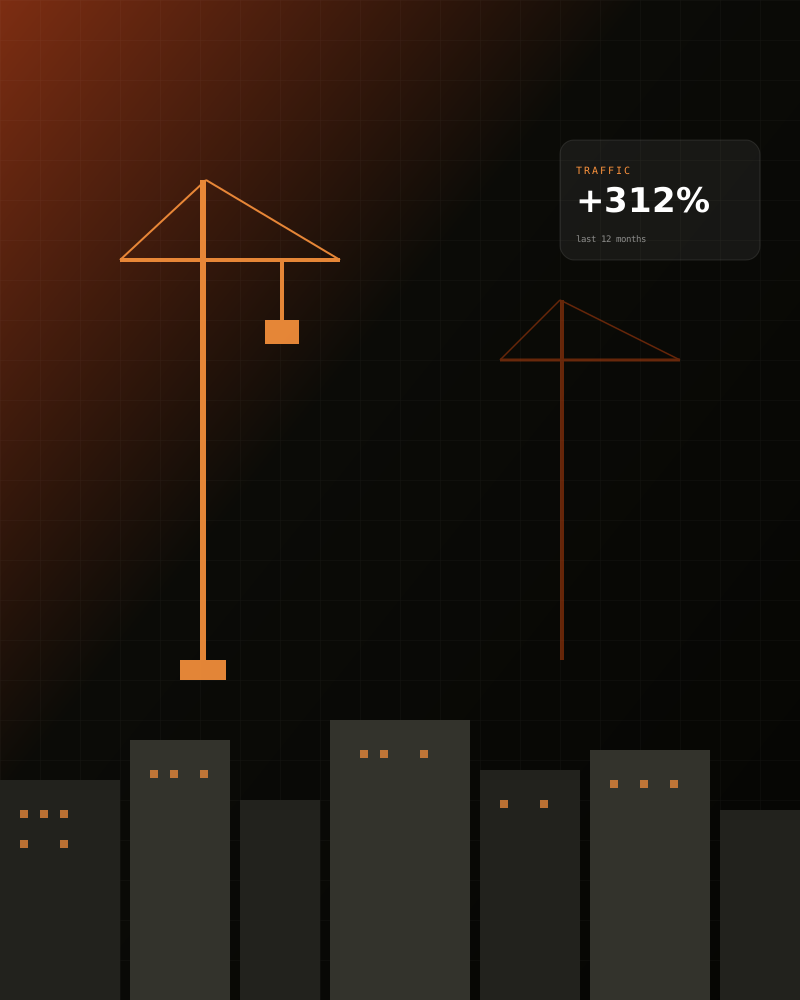
أُطلق الموقع يوم ثلاثاء. خلال 30 يومًا زادت الجلسات العضوية بنسبة 81%. وخلال 90 يومًا ارتفعت نسبة النقر في Search Console من 1.3% إلى 4.4%. وخلال 12 شهرًا ارتفعت الزيارات العضوية بنسبة 312%، وتضاعفت الاستفسارات 4.1 مرة، وتضاعف تقريبًا متوسط قيمة المشروع لكل عميل محتمل، لأننا بتنا نجذب تمامًا مشتري المشاريع الجادين الذين أرادهم المؤسس.
تستقر نتيجة Lighthouse للصفحة الرئيسية وصفحات الخدمات والأعمال بين 96 و99. وCore Web Vitals خضراء على الجوال والحاسوب. ويحدّث الفريق محتواه أسبوعيًا عبر Filament دون الحاجة إلى أي مهندس.
05 / 05
الخطوة التالية
نعمل حاليًا على أداة لتقدير عروض الأسعار تتيح للزائر تحديد نطاق مشروعه (المساحة والقطاع والمدة) والحصول فورًا على نطاق سعري تقريبي، مع حجز مكالمة متابعة تلقائيًا. إنها الخطوة الطبيعية: من أن يجدك العميل، إلى أن يثق بك، إلى أن يتعامل معك بسهولة.