
01 / 05
التحدي
كانت LendDesk جهة إقراض استهلاكي عمرها عامان، تعالج نحو 400 طلب قرض أسبوعيًا بأداة تقييم قديمة وفريق صغير من المحللين. كان كل طلب يستغرق 26 ساعة من البداية إلى النهاية. أراد المؤسس مضاعفة الحجم دون مضاعفة الفريق، ما يعني أتمتة كل خطوة أو جعلها قابلة للتدقيق أو إلغاءها.
كانت هناك ثلاثة اختناقات حقيقية: تحليل كشوف الحسابات المصرفية (مملّ ويدوي)، وكتابة الملخصات (المحللون يكتبون الفقرات نفسها مرارًا)، وقرارات المخاطر الحدّية (طلبات ليست واضحة القبول ولا واضحة الرفض وتتطلب محللًا كبيرًا).
02 / 05
نهجنا
بنينا على Laravel منصة منح القروض كنظام السجل الأساسي لكل طلب ومستند وقرار وحدث تدقيق. وأضفنا فوقها ثلاث قدرات ذكاء اصطناعي محددة: مصنّف كشوف مصرفية مضبوط بدقة (PyTorch مستضاف داخليًا)، ومولّد ملخصات (OpenAI وفق مخطط ثابت مع مراجعة بشرية)، وأداة تفسير تعرض أهم ثلاثة عوامل خطر لأي طلب حدّي.
الأهم أن الذكاء الاصطناعي لم يتخذ القرار أبدًا. رافقت كل توصية آلية لوحة تفسير، وكان إنسان يوقّع دائمًا على القبول أو الرفض النهائي. أبقى ذلك مسؤول المخاطر مطمئنًا، والأهم أنه أبقانا متوافقين مع توجيهات الجهة الرقابية بشأن التقييم المدعوم بالنماذج.
03 / 05
قرارات رئيسية
استضفنا مصنّف الكشوف المصرفية بأنفسنا. لم يكن إرسال كشف حساب العميل كاملًا إلى نموذج لغوي خارجي خيارًا، لأسباب تنظيمية ولأن ثقة العملاء كانت أولوية واضحة للمؤسس. حقق نموذج مفتوح المصدر مضبوط على خادم صغير بمعالج رسومي دقة 96% بجزء بسيط من التكلفة.
كان كل استدعاء للذكاء الاصطناعي منظّمًا. لا أوامر حرة ولا حقول مختلقة. يتسلّم مولّد الملخصات JSON منظّمًا ويعيد JSON منظّمًا وفق مخطط محدد. تلتقط الضوابط أي انحراف، وتنبّه مجموعة اختبارات ليلية إلى أي تراجع.
ربطنا Chargebee بإضافات الاشتراك (خطط سداد مميزة وتأمينات إضافية). واستعاد نظام التذكير في Chargebee 4.2% من الإيرادات المعرّضة للخطر في الشهر الأول، وهو ربح صافٍ.
04 / 05
ما الذي تغيّر
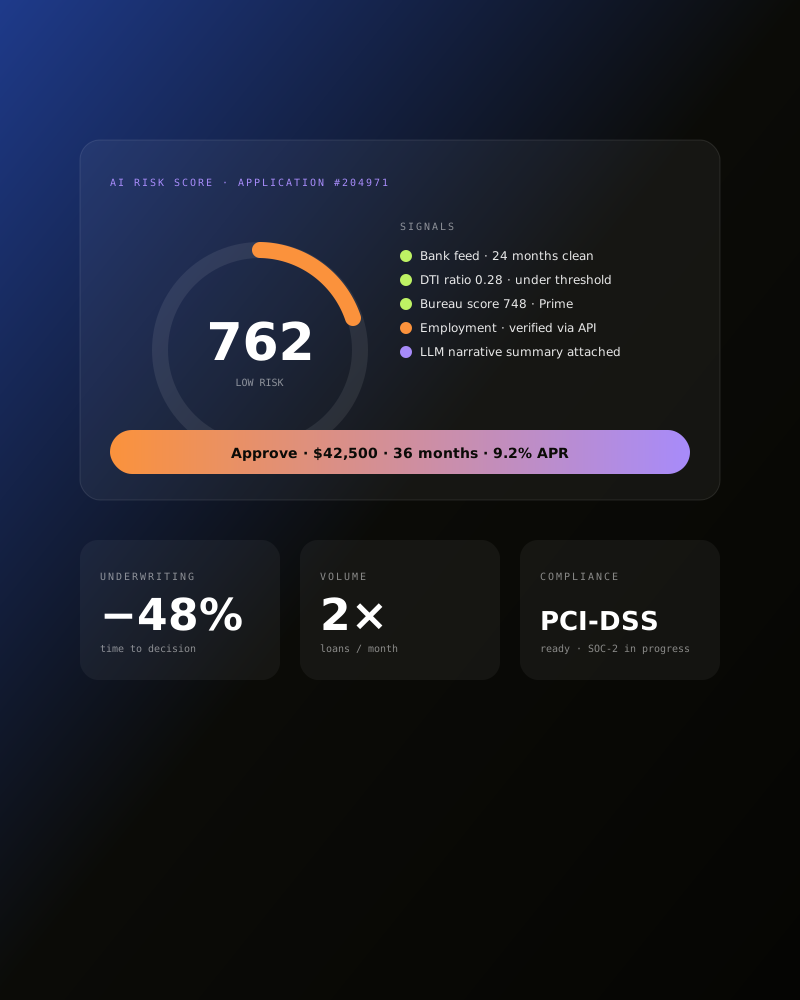
انخفض وقت التقييم من 26 ساعة إلى 13.5 ساعة، أي بنسبة 48%. وتضاعف عدد الطلبات خلال أربعة أشهر دون زيادة الموظفين. وبقي مستوى مخاطر القروض المعتمدة كما هو: معدل التعثر ضمن نقطتي أساس من المستوى السابق للأتمتة. واكتملت مراجعة PCI-DSS دون ملاحظات معيقة، ومن المقرر الحصول على SOC-2 من النوع الأول في الربع الثاني.
05 / 05
الخطوة التالية
نبني مساعد إقراض للعملاء، وهو واجهة محادثة تعتمد على بنية الذكاء الاصطناعي نفسها، يساعد المقترض على فهم المستندات المطلوبة وسببها. وتُظهر التجارب الأولى زيادة بنسبة 22% في الطلبات المكتملة.